
Aotearoa New Zealand Autism Guideline implementation, supports and services
We engaged with autistic people, parents, family/whānau and professionals across Aotearoa New Zealand to understand how well current autism supports are working and what needs to change.
What we did
We engaged with autistic people, parents, family/whānau and professionals across Aotearoa New Zealand to understand how well current autism supports are working and what needs to change.
More than 1,000 people shared their experiences, priorities and ideas for the future. We examined awareness and implementation of the Aotearoa New Zealand Autism Guideline: He Waka Huia Takiwātanga Rau, identified gaps in existing supports and services, and explored opportunities to improve inclusion, access and outcomes.
What we found
Participants reported significant gaps in autism support, including long waitlists, limited service availability, poor coordination, barriers to accessing support, and a lack of autism understanding across many services. Awareness of the Aotearoa New Zealand Autism Guideline: He Waka Huia Takiwātanga Rau was low, and participants were generally more satisfied with its recommendations than its implementation.
Key priorities included greater inclusion, stronger advocacy, improved mental health support, better access to assessment and services, and more autism training for professionals.
The findings also highlighted the importance of autistic leadership, culturally responsive approaches, meaningful participation in decision-making, and stronger implementation of the Guideline.
Why this matters
Aotearoa New Zealand has a unique opportunity to shape the future of autism support through major health and disability reforms, including the establishment of Whaikaha, the Ministry of Disabled People.
These findings provide a community-informed roadmap for strengthening implementation of the Aotearoa New Zealand Autism Guideline: He Waka Huia Takiwātanga Rau, and for improving inclusion, access to support and outcomes for autistic people across Aotearoa.
Project team
Larah van der Meer, Chanelle Moriah, Lee Patrick and Hannah Waddington.
Project partners
- Autism New Zealand
- Victoria University of Wellington
Related resources
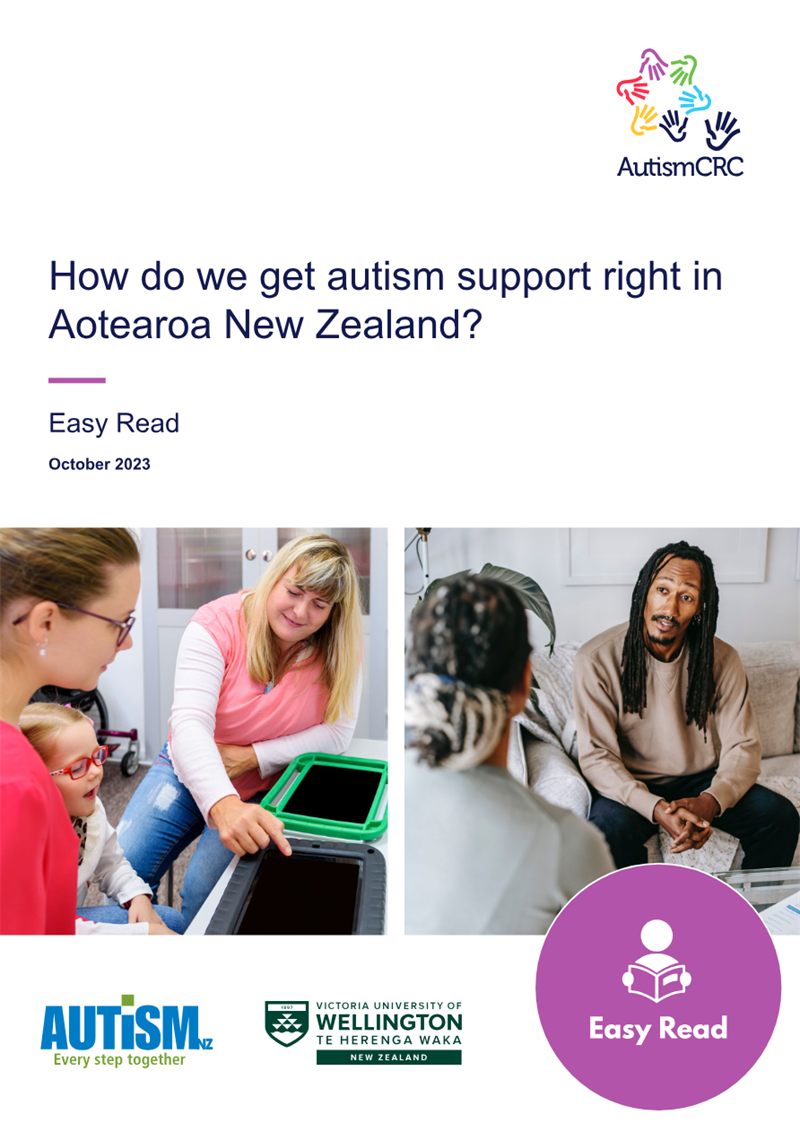
How do we get autism support right in Aotearoa New Zealand?
Recommendations for implementation of the current National Guideline for assessment and diagnosis of autism and approaches to ensure inclusion and the provision of supports for autistic people in Aotearoa.
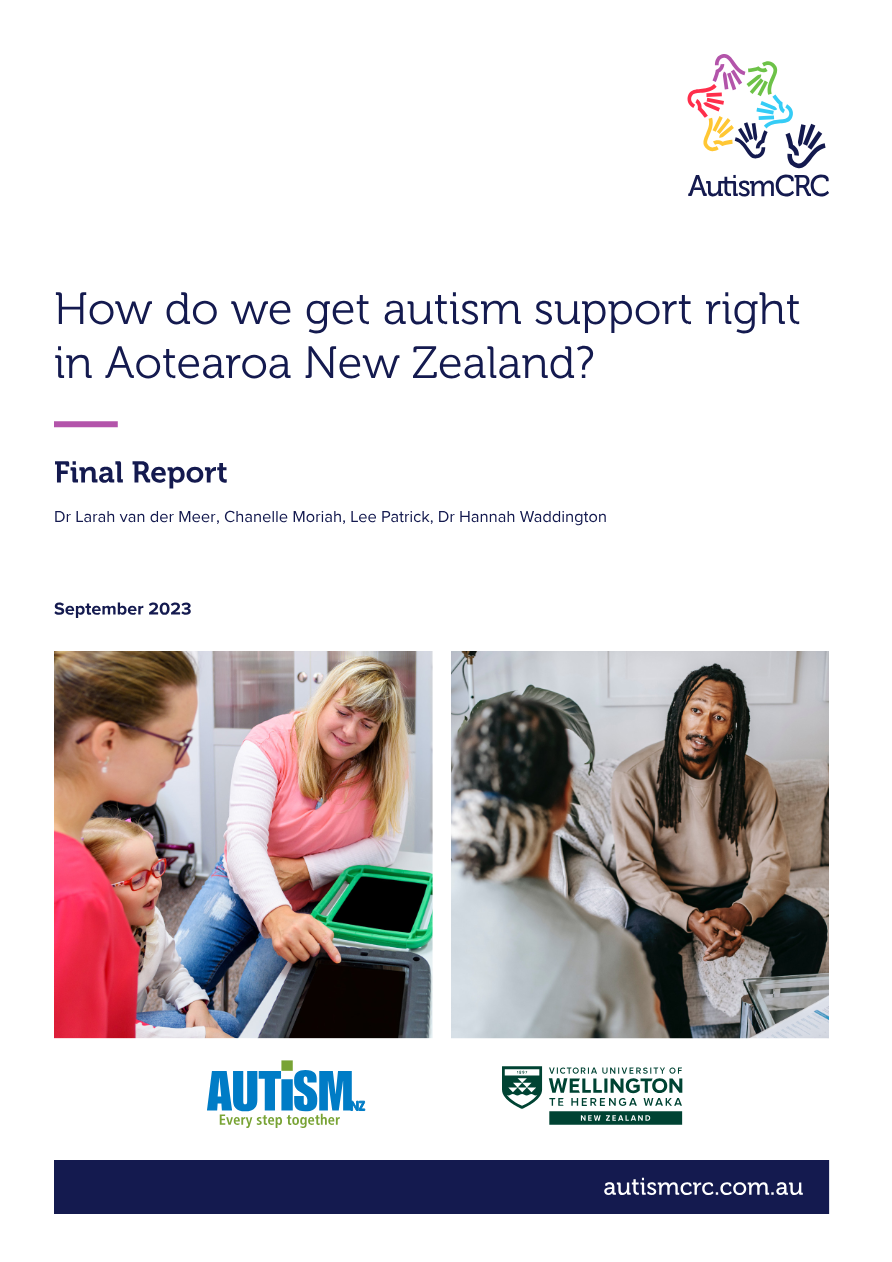
How do we get autism support right in Aotearoa New Zealand? (Easy Read)
An Easy Read summary of what autistic people, families and professionals in Aotearoa New Zealand said about assessment, diagnosis and support.